
30
Sep
Why Do Glucometer Readings Differ? Common Mistakes and Fixes
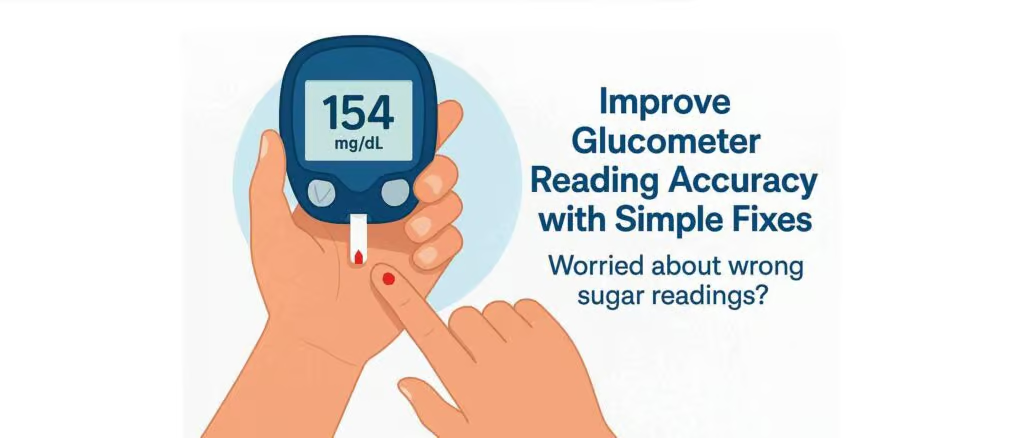
If you’ve ever pricked your finger twice in a row and seen two different results on your glucometer, you’re not alone. Many people wonder why their glucometer readings differ from one test to another, or even from a lab report. For someone living with diabetes, this can be confusing—and sometimes worrying.
But here’s the truth: small variations are normal, and most of the time, big differences come down to avoidable mistakes. In this article, we’ll explore the common reasons for differing glucometer readings, highlight mistakes many people make, and share simple fixes to ensure more reliable results.
What Causes Glucometer Readings to Differ?
First, let’s clear the air: no glucometer is 100% identical to a laboratory test. International standards (ISO 15197:2013) allow for a margin of error of ±15% for blood glucose values. That means if your true glucose level is 150 mg/dL, your glucometer could show anywhere between 128 and 173 mg/dL and still be considered accurate.
Factors that influence this variation include:
-
Quality and freshness of test strips
-
The way you collect the blood sample
-
Device condition (battery, sensor, cleanliness)
-
Your body’s natural fluctuations throughout the day
So, the question isn’t “why do glucometer readings differ?” but rather “how do I reduce the chances of big, misleading differences?” Let’s break it down.
Common User Mistakes That Lead to Wrong Readings
Most inaccuracies come not from the glucometer itself, but from how we use it. Here are the most frequent mistakes:
Using Expired or Improperly Stored Strips
Test strips are sensitive to moisture, light, and temperature. In India, where summers can be scorching and monsoons bring high humidity, strips can easily lose accuracy if not stored correctly. Expired strips or those left open too long often give false results.
Fix: Always check the expiry date, store strips in their original vial, and keep them away from heat and moisture. Don’t leave them in the bathroom cabinet or in a car glove box.
Not Washing or Drying Hands Properly
Sounds simple, but it’s a major culprit. Residue from food (like fruit sugars) or sweat can alter readings. Even a tiny drop of water on your finger can dilute the blood sample.
Fix: Wash hands with soap and warm water, then dry thoroughly before testing. If you’re in a hurry, at least wipe your finger well before pricking.
Incorrect Blood Sample Application
Too little blood may cause an error message or a falsely low reading. On the other hand, squeezing your finger too hard to get blood can dilute the sample with tissue fluid.
Fix: Use the correct lancet depth for a sufficient drop, and apply it to the strip as per the device’s instructions. Modern strips with “easy-edge” technology make this simpler.
Testing at the Wrong Time
Timing matters. A reading taken just after a heavy meal will naturally differ from a fasting reading. Many users panic when they see higher numbers without realising the timing was off.
Fix: Test at consistent times—before meals, two hours after meals, or as recommended by your doctor. Keep a logbook or use a device with memory storage to track trends.
Device-Related Reasons for Reading Variations
Sometimes, the glucometer itself may contribute to the differences. Let’s look at the most common device-related issues.
Calibration and Coding Issues
Older models required manual coding for each new batch of strips. If entered incorrectly, the results could be way off.
Fix: Upgrade to newer, no-coding glucometers. If you’re still using an older one, double-check the coding instructions.
Battery and Maintenance Problems
Low battery power can reduce device efficiency. Dust, lint, or dried blood in the strip port may also affect accuracy.
Fix: Replace batteries regularly, clean the device gently with a soft cloth, and avoid spilling anything on it. Treat it like your mobile phone—it needs care.
Temperature and Environmental Factors
India’s climate plays a big role. Testing outdoors in 40°C heat or in an air-conditioned room at 18°C can affect sensor performance.
Fix: Wherever possible, test in a room with moderate temperature. Store both strips and the glucometer in a cool, dry place.
Why Lab and Home Readings May Not Match
Many users compare their glucometer reading with a lab report and panic when the numbers don’t match. But here’s the catch:
-
Labs test plasma glucose, while many glucometers test whole blood (though newer ones are plasma-calibrated).
-
Labs use more advanced methods with machines designed for medical-grade precision.
According to ISO, a variation of ±15% from lab values is considered acceptable. So, if your glucometer shows 160 mg/dL and the lab shows 150 mg/dL, both are still accurate.
Key point: Glucometers are best for tracking trends—whether your sugar is going up, down, or staying stable—not for matching lab results perfectly.
Tips to Ensure Accurate Glucometer Readings
-
Use fresh, unexpired strips
-
Wash and dry hands before testing
-
Avoid squeezing fingers too hard
-
Test at consistent times daily
-
Keep your glucometer clean and dry
-
Replace batteries on time
-
Cross-check with a lab test every few months
Following these steps will reduce unnecessary worry and help you manage diabetes more confidently.
FAQs
Why is my glucometer showing very high sugar suddenly?
It could be due to dirty hands, expired strips, or an actual spike in blood sugar. Always retest after washing your hands.
Can dehydration affect blood sugar readings?
Yes. Dehydration can concentrate glucose levels in the blood, leading to higher readings.
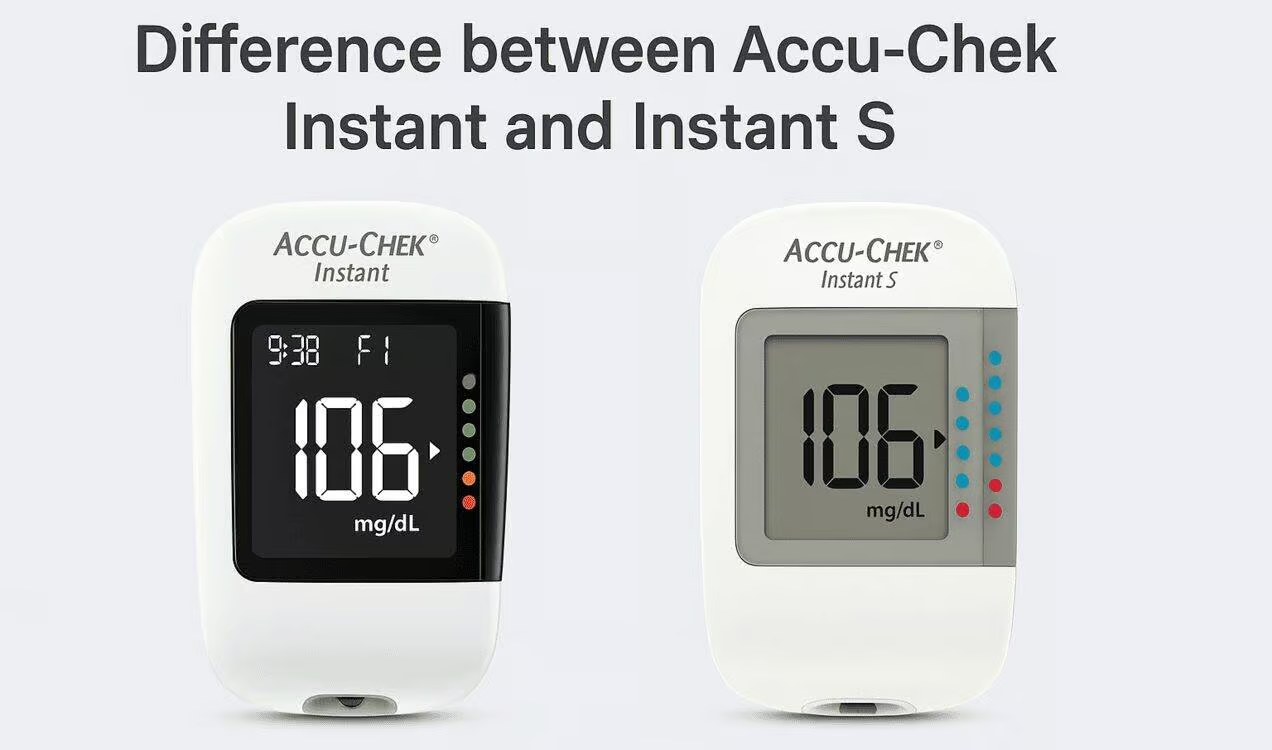
Do all glucometers show the same result?
No. Different brands and models may vary slightly due to their technology. Stick to one reliable glucometer for consistency.
Which is more accurate – lab test or glucometer?
Lab tests are more precise, but glucometers are reliable for daily monitoring and trend tracking.
How often should I replace my glucometer?
Most devices last 3–5 years. Replace it if it becomes unreliable, damaged, or outdated.
Key Takeaways
-
Minor variations in glucometer readings are normal.
-
Big differences usually come from user errors like dirty hands, bad strips, or timing issues.
-
Environmental factors like heat and humidity can affect accuracy.
-
Labs are more precise, but glucometers are invaluable for everyday monitoring.
-
Proper care and consistent testing habits ensure more reliable results.
Published by